Engineered for Tuas Mega Port drayage, Jurong Island chemical transport, and high-density Singapore last-mile distribution networks.
Singapore occupies a preeminent position in global supply chain architecture. Serving as the primary transshipment node of Southeast Asia, the island nation connects over 600 maritime ports globally while orchestrating high-density domestic and cross-border commercial freight. However, the last-mile commercial logistics segment in Singapore faces a unique confluence of operational constraints: extreme urban density, stringent environmental regulations under the Singapore Green Plan 2030, and strict safety guidelines enforced by the Singapore Civil Defence Force (SCDF) and the National Environment Agency (NEA).
Commercial last-mile logistics in Singapore is no longer merely about moving packages from a distribution hub to a storefront or industrial yard. It has evolved into a highly technical, telemetry-driven discipline requiring specialized fleet manufacturing, modular container design, and dangerous goods (DG) compliance frameworks. Factories and equipment suppliers supplying the Singaporean market must engineer equipment capable of navigating restricted axle-load zones, high-humidity tropical environments, and automated port interfaces at the new Tuas Mega Port.
Key Industry Gain Insight: Modern Singaporean commercial buyers prioritize logistics suppliers who combine zero-emission electric powertrain hardware with real-time API integrations into port authority platforms (such as Portnet®) and local SCDF chemical tracking networks.
Navigating commercial vehicle height restrictions and micro-fulfillment nodes in Singapore’s CBD and heartland industrial estates.
Specialized Class 3, 8, and 9 hazardous cargo handling requiring UN-certified containers and explosion-proof transport vehicles.
Seamless integration with Tuas Automated Guided Vehicles (AGVs) and automated container yard cranes for fast turnaround.
To establish true authority (E-E-A-T) when evaluating commercial logistics equipment in Singapore, procurement managers must analyze equipment performance across specific industrial zones:
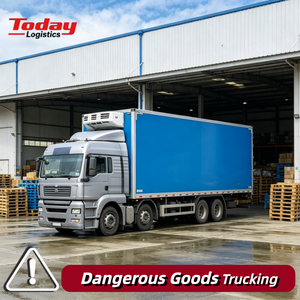
Jurong Island is home to over 100 global chemical and energy majors. Last-mile logistics here demands rigorous compliance with the SCDF Environment Pollution Control Act. Equipment such as the Class 3/8/9 Hazardous Cargo Trucking Fleet and Reusable IBC Chemical Containers are essential. Tanks must feature high-grade SS316L stainless steel linings, rupture discs, and active GPS telemetry to transmit temperature and pressure data to central control rooms in real time.
Singapore produces 11% of the world’s semiconductor output. Moving sensitive silicon wafers, cleanroom machinery, and lithography optics requires air-ride suspension drayage vehicles, climate-controlled container units, and express door-to-door air freight links directly connected to Changi Air Cargo Complex. Equipment must eliminate vibration frequencies exceeding 0.5G to protect delicate microelectronics during transit.
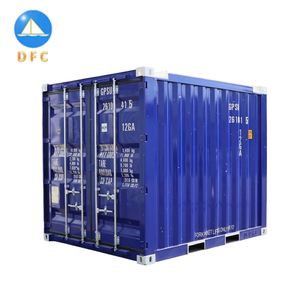
For offshore exploration and marine vessel repair, logistics suppliers provide DNV 2.7-1 Certified Offshore Flat Rack Containers (10ft, 20ft, and 40ft). These structures undergo destructive drop testing, non-destructive testing (NDT) of pad eyes, and multi-point sling inspections to withstand dynamic sea states in the Straits of Malacca and South China Sea.
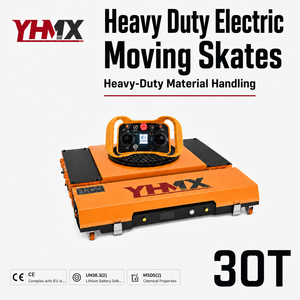
With e-commerce penetration reaching record highs in Singapore, commercial fleets are rapidly transitioning to high-capacity 30-Ton Remote-Controlled Electric Heavy Transporters and electric light commercial vehicles (eLCVs). These vehicles operate quietly in urban residential zones during off-peak hours, significantly reducing carbon emissions while adhering to Land Transport Authority (LTA) noise limits.
The following technical matrix outlines the operational specifications required for commercial logistics equipment used by factory suppliers in Singapore:
| Equipment Category | Primary Industrial Zone | Singapore Regulatory Authority | Core Technical Specification | Safety / Certification Standard |
|---|---|---|---|---|
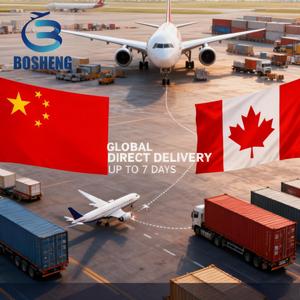
| Air Cargo Express Drayage | Changi Cargo Complex / CBD | CAAS / Singapore Customs | Active Cold-Chain (-20°C to +25°C) | IATA CEIV Pharma / GDP Certified |
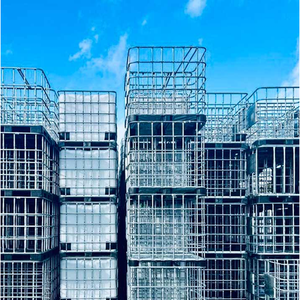
| Chemical IBC Containers | Jurong Island / Pioneer | NEA / SCDF Fire Safety | 1000L SS316L / HDPE UV-Resistant | UN Marking 31HA1/Y / ISO 21013 |
| Offshore Flat Racks | Tuas Basin / Loyang Offshore | Maritime & Port Authority (MPA) | Payload capacity up to 45,000 kg | DNV 2.7-1 / EN 12079 / ISO 10855 |
| Electric Heavy Transporters | Intra-Factory & Yard Logistics | LTA (Off-road Industrial) | 30-Ton Remote Telematics / Lithium Iron | CE / IP67 Water Resistance / IEC 62133 |
| Hazmat Dedicated Fleet | Islandwide Logistics Corridors | SCDF Hazmat Branch | Class 3/8/9 Containment & Spill Kits | ADR / SCDF Transport License |
Under the Singapore Green Plan 2030, all new vehicle registrations must be cleaner-energy models by 2030. Commercial fleet operators are replacing internal combustion engine (ICE) trucks with electric commercial vehicles (EVs) and hydrogen fuel cell heavy haulers. Factory suppliers who provide modular electric transport systems, such as wireless remote 30-ton electric tank carriers, offer immediate CAPEX tax incentives under Singapore's Energy Efficiency Grant (EEG).
When fully completed in the 2040s, Tuas Mega Port will consolidate all container operations into a single automated gateway capable of handling 65 million TEUs annually. Last-mile logistics suppliers are designing container chassis and flat rack units compatible with automated guided vehicles (AGVs) and automated quay cranes (AQCs). This automation eliminates gate congestion and enables 24/7 continuous freight processing.
Singapore serves as the southern anchor of the ASEAN roll-on/roll-off (RoRo) and land trucking network, connecting directly to Johor, Malaysia, and onward to Thailand and Vietnam. Commercial logistics suppliers are deploying smart containers equipped with dual-SIM satellite tracking, automated customs e-lock systems, and multi-currency customs clearance protocols to accelerate cross-border trade flow.
When selecting a factory supplier or logistics service partner in Singapore, enterprise procurement teams must conduct rigorous due diligence across four key pillars:
Factory Expertise Note: Our specialized logistics network provides integrated freight forwarding, customs clearance, and dedicated drayage fleets engineered specifically to minimize demurrage and storage penalties at PSA terminals and Changi Airfreight Centre.
Here are answers to the most common technical and regulatory questions raised by procurement leads, plant engineers, and supply chain directors in the Singapore market:
Partnering with a proven logistics provider with international freight forwarding credentials, licensed customs brokerage, and dedicated dangerous goods fleets ensures your supply chain operates without interruption. Our global service network provides complete door-to-door integration spanning ocean freight (FCL/LCL), air cargo, heavy lift project logistics, and specialized local drayage.
Whether you require custom-manufactured DNV offshore flat racks for marine projects, UN-rated IBC containers for Jurong Island industrial chemicals, or rapid air freight drayage through Changi Airport, our experienced engineering and operations teams deliver tailor-made logistics architectures built for speed, compliance, and cost efficiency.
Speak with our senior logistics engineers and freight specialists to get customized equipment specifications, SCDF compliance guidance, and instant door-to-door quotes.
Get a Quote