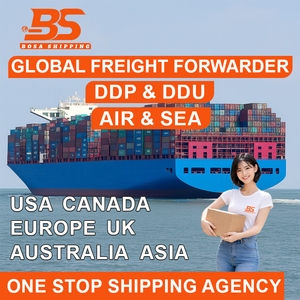
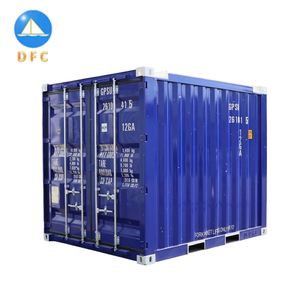
SA Application: Heavy mining, oil platform, and infrastructure breakbulk transport along the Coega & Saldanha Bay coastal belts.
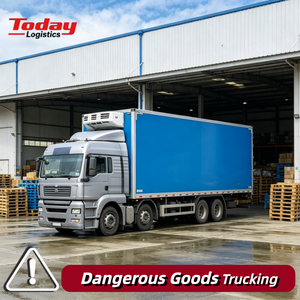
Hazmat Trucking
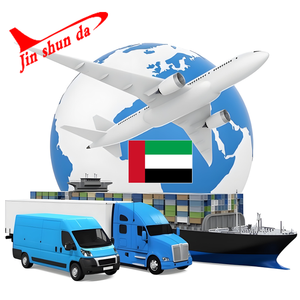
Trucking Hazardous Cargo Logistics Class 3/8/9 Door Door Dangerous Goods Forwarder
SA Application: SANS 10234 compliant cross-border trucking along the N3 corridor connecting Durban port to Gauteng inland depots.
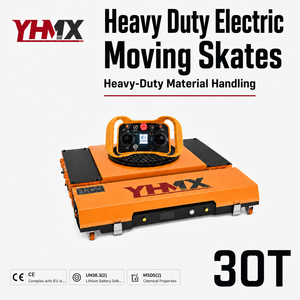
Heavy Machinery
30 Ton Electric Tank Carrier Heavy Duty Industrial Transporter With Remote Control
SA Application: Precision heavy equipment maneuvering within mining sites, power plants, and industrial bonded warehouses.
50,000+
SQM Bonded Warehousing
99.8%
SARS Customs Compliance
DG 3/8/9
Certified Hazmat Handling
24/7
Real-Time GPS & API Sync
1. Executive Strategic Overview: The South African Fulfillment & Logistics Ecosystem
As the primary industrial engine and financial gateway of Sub-Saharan Africa, South Africa represents a unique operational environment for multinational enterprises, B2B manufacturers, and global e-commerce merchants. Establishing an efficient supply chain presence requires navigating a complex interplay of maritime berth infrastructure, inland rail transitions, South African Revenue Service (SARS) customs regulatory frameworks, and specialized regional distribution networks.
Modern supply chain resilience in the region depends on strategically positioning overseas fulfillment warehouses in prime industrial clusters—specifically the Gauteng inland logistics hub (Johannesburg, Midrand, Ekurhuleni) and coastal port entry points (Durban, Cape Town, and Coega/Gqeberha). By leveraging localized overseas warehousing, international exporters eliminate long transpacific or transatlantic transit delays, insulate operations against maritime port congestion, and dramatically accelerate last-mile delivery times to end buyers across South Africa and the wider Southern African Development Community (SADC).
Information Gain Insight: Operating a decentralized overseas warehouse network in South Africa reduces landed supply chain lead times from 35-45 days (direct ocean import) down to 24-48 hours for local fulfillment within Gauteng and Western Cape industrial corridors.
Key Logistics Corridors & Hub Node Analysis
Logistics architecture in South Africa relies heavily on distinct transport arteries that dictate warehouse site selection and inventory deployment strategies:
Gauteng Freight Hub
The economic heartland housing Johannesburg and Ekurhuleni dry ports (City Deep). Ideal for regional distribution, cross-docking, and cross-border trucking into Zimbabwe, Zambia, and Botswana.
Durban Ocean Gateway
Southern Africa’s premier container terminal handling over 60% of South Africa's maritime trade. Functions as the primary import point connecting Asian and European factory lines via the N3 Highway.
Cape Town & Eastern Cape
Strategic maritime hubs specialized in agricultural exports, automotive manufacturing (Gqeberha/Coega IDZ), and high-growth consumer e-commerce fulfillment hubs across Western Cape.
Overseas warehousing is no longer merely about storage space; it requires advanced equipment, dangerous goods (DG) compliance, and heavy industrial machinery management. Modern fulfillment factories must integrate specialized cargo capabilities to serve diverse industry sectors operating in South Africa.
A. Lithium-Ion Battery & Renewable Energy Storage Logistics
In response to South Africa’s energy landscape transition and solar adoption boom, the demand for lithium battery shipments, home solar inverters, and industrial Energy Storage Systems (ESS) has escalated dramatically. Handling these commodities demands strict adherence to Class 9 Dangerous Goods regulations.
Our specialized warehousing facilities and transport services utilize UN3480/UN3481 certified packaging protocols, thermal-monitored storage zones, and specialized hazmat transport vehicles, as featured in our Professional Battery Door to Door Hazardous Materials Shipment solution. This ensures full compliance with SANS 10234 guidelines and international IMDG codes for safe transit across South African roads.
B. Industrial Chemical & Reverse Logistics (IBC Container Lifecycle)
For South Africa’s agricultural, mining, and chemical manufacturing sectors (such as those concentrated around Sasolburg and eThekwini), liquid chemical logistics present complex environmental and operational challenges. Managing bulk chemical transport requires continuous access to intermediate bulk containers (IBCs) and dedicated return handling.
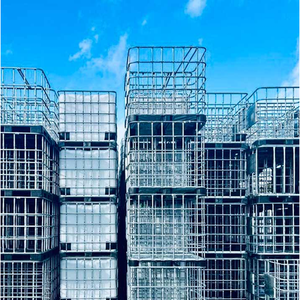
By implementing our Used IBC Containers Return And Purchase Service alongside Class 3/8/9 hazmat trucking forwarders, enterprises establish a sustainable, circular supply chain. Empty IBC units are collected from client sites across South Africa, inspected, reconditioned, and re-entered into production loops, significantly driving down capital expenditures for chemical suppliers.
C. Mining Infrastructure & Offshore Heavy-Lift Equipment
The South African mining economy—extretching through the Bushveld Complex, Witwatersrand basin, and Northern Cape mineral belts—demands heavy-duty machinery transport capable of moving ultra-heavy loads. This requires specialized container configurations and heavy-lift equipment.
In-factory repositioning of heavy chemical tanks, transformer units, power generators
On-site precision maneuvering within bonded warehouses & industrial complexes
Class 3/8/9 Hazmat Trailers
SANS 10234 road transport safety, ADR certified drivers
Bulk solvent, acid, and battery pack distribution across provinces
N3/N1 long-haul heavy road freight with real-time telematics tracking
Air Freight Priority Express
IATA DG certified, express airway bill customs pre-clearance
Urgent mining spare parts, high-value electronics, production line components
Direct JNB / CPT flight touchdown with 6-hour ramp-to-door express delivery
3. Strategic Industry Trends Shaping the South African Logistics Market
Navigating the South African logistics market requires adapting to macro-economic developments, trade agreements, and infrastructural transformations. Supply chain planners must factor four key trends into their operational strategies:
1. Energy Resilience & Off-Grid Facilities
To overcome municipal power disruptions (load-shedding), premier overseas warehouses in South Africa now feature rooftop solar arrays, battery storage systems, and backup generators to ensure uninterrupted 24/7 cold chain and warehouse management system (WMS) operations.
2. AfCFTA Cross-Border Trade Expansion
The African Continental Free Trade Area (AfCFTA) has established South Africa as a key fulfillment platform for Sub-Saharan expansion. Bonded warehousing allows tax-free storage prior to re-export into SADC nations like Namibia, Mozambique, and Zimbabwe.
3. SARS Digital Customs Modernization
The South African Revenue Service has implemented advanced EDI electronic filing, automated risk profiling, and digital Bill of Lading integrations. Partnering with a compliant forwarder prevents costly customs holds at ports of entry.
Omnichannel E-Commerce Fulfillment Dynamics
South Africa’s e-commerce market is expanding rapidly, driven by increased mobile adoption and marketplace growth. Local consumers expect fast delivery (same-day or next-day in major metros like JHB, CPT, and DBN).
By establishing an overseas warehouse in South Africa, overseas merchants can store inventory locally, sync their online storefronts via API with local fulfillment hubs, and initiate immediate pick-and-pack operations. Returns management (reverse logistics) is handled domestically, eliminating international return shipping costs and boosting customer satisfaction.
4. Enterprise Competitive Advantages & Global Network Strengths
Building on decades of experience in international freight forwarding, dangerous goods handling, and multimodal logistics, our organization offers an integrated supply chain ecosystem engineered specifically for high-growth global enterprises targeting South Africa.
Bonded & SOS Warehouse Facilities
We provide licensed South African bonded storage (SOS warehouses), allowing clients to defer import duties and VAT until products are released for local consumption or re-exported to SADC markets.
End-to-End Dangerous Goods (DG) Certification
From lithium-ion battery packs to Class 3 flammable liquids and Class 8 corrosives, our team manages all IMDG, IATA, and SANS 10234 documentation, packaging compliance, and safety protocols.
24/7 Operations & Dedicated Account Management
Our operational teams work around the clock across time zones (Asia, Europe, Americas, and Africa) to provide proactive shipment tracking, exception handling, and custom logistics management.
Multimodal Freight Network Integration
Leveraging deep relationships with global ocean carriers, air cargo lines, and localized haulage operators, we provide seamless door-to-door transit from origin factories directly into South African regional depots.
5. Frequently Asked Questions: South Africa Localized Procurement & Fulfillment
Below are authoritative answers to common inquiries from international manufacturers, trade compliance managers, and procurement leads expanding operations into the South African logistics market.
What are the core benefits of utilizing an overseas warehouse in South Africa versus direct shipping?
Utilizing an overseas warehouse in South Africa—particularly within Gauteng or coastal port hubs—drastically cuts order-to-delivery lead times from weeks down to 24-48 hours. It allows international companies to hold safety stock locally, mitigate sea port congestion risks, lower per-unit freight costs through bulk sea container shipments (FCL), and optimize liquidity using bonded warehouse duty deferral.
How are import duties and VAT handled when storing goods in a South African warehouse?
When goods enter a licensed Bonded Warehouse (SOS warehouse) in South Africa, customs duties and the standard 15% Value Added Tax (VAT) are deferred until the inventory is officially cleared for local domestic consumption. If goods are stored in a bonded facility and subsequently re-exported to SADC neighboring countries (e.g., Namibia, Botswana, Mozambique), import duties and domestic VAT are bypassed altogether.
What regulatory approvals are required for shipping Dangerous Goods (DG Class 3, 8, 9) into South Africa?
Shipping Dangerous Goods into South Africa requires full compliance with international safety codes (IMDG for sea transport, ICAO/IATA for air transport) alongside local SANS 10234 (Globally Harmonized System) guidelines. Shipments must include valid Safety Data Sheets (SDS), UN-approved hazardous packaging certifications, Dangerous Goods Declarations (DGD), and certified hazmat transport drivers for road transit across South African highways.
How does your service mitigate port congestion challenges at Durban and Cape Town terminals?
We actively monitor vessel berthing queues and implement agile multi-modal rerouting strategies. This includes utilizing secondary ocean gateways such as Coega (Gqeberha), arranging priority offloading schedules, leveraging bonded off-dock container yards (OCT), and utilizing express air cargo feeder links into Johannesburg for urgent components.
Can overseas warehousing solutions support cross-border fulfillment into neighboring SADC countries?
Yes. South Africa functions as the primary logistics springboard for the entire SADC region. By maintaining bonded warehouse inventory in Ekurhuleni or Johannesburg, products can be picked, packed, and dispatched via cross-border road freight haulage directly to client facilities in Zimbabwe, Zambia, Botswana, Namibia, Eswatini, and Mozambique under streamlined cross-border customs documentation.
Optimize Your South African Supply Chain Today
Speak with our senior logistics architects to engineer a custom overseas warehousing, dangerous goods transit, or omnichannel fulfillment strategy tailored to your industry requirements.