As a global logistics leader specializing in energy and heavy industrial projects, we engineer turnkey freight solutions for the power generation sector in Bangladesh. From super-heavy gas turbines, transformers, and HRSG boilers to hazardous fuel additives and lithium-ion BESS units, we leverage deep multimodal expertise, carrier chartering power, and localized Bangladeshi port clearance strategies to eliminate supply chain bottlenecks.
Express charter and scheduled air freight for urgent turbine spares, PLC control panels, and critical maintenance components directly to Hazrat Shahjalal International Airport (DAC).
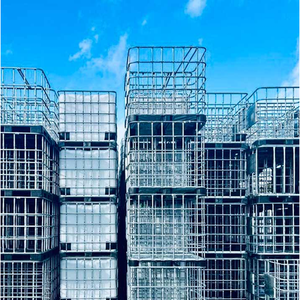
Heavy-duty UN-approved IBC containers and specialized liquid handling equipment for power plant fuel additives, turbine oils, and water treatment chemical transport.
Comprehensive ocean & air transport for project bulk materials, high-voltage transformer oils (Class 3), and complex hazardous chemical shipments to Bangladesh energy hubs.
Dedicated FCL/LCL and breakbulk vessel chartering connecting North American, European, and Asian manufacturing centers directly with Chattogram and Mongla seaports.
Strict Class 9 dangerous goods compliant logistics handling for utility-scale battery energy storage systems (BESS), industrial UPS batteries, and grid stabilization modules.
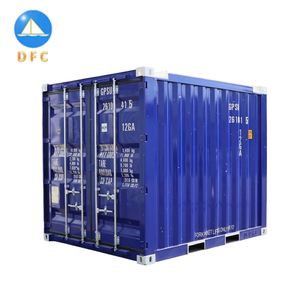
Engineered flat rack and open-top containers specialized for out-of-gauge (OOG) diesel generators, heavy stators, turbine rotors, and over-dimensional project cargo.
Certified hazmat logistics engineered for corrosive chemicals, flammable liquids, transformer dielectric fluids, and gas plant reagents under strict IMO standards.

Heavy-lift ground transport systems, multi-axle low-bed trailers, and wireless remote control electric transporters designed for power station laydown yard maneuvering.
The People's Republic of Bangladesh represents one of Asia's most dynamic energy transformation landscapes. Under the guidance of the Bangladesh Power Development Board (BPDB) and the Master Plan for Power System Expansion, the country is rapidly augmenting its installed capacity through mega power infrastructure projects. Exporting and shipping heavy power generation equipment—ranging from H-Class gas turbines and dual-fuel internal combustion engines to massive 400kV step-up transformers—requires an institutional knowledge of global supply chains combined with granular operational mastery of local Bangladeshi logistics corridors.
Navigating the transit pipeline to energy hubs such as Rooppur, Matarbari, Payra, Ashuganj, and Sirajganj demands more than standard freight forwarding. It necessitates sophisticated project cargo engineering, structural route surveys, specialized barge chartering for inland water transport (IWT), and meticulous handling of national regulatory frameworks governed by the National Board of Revenue (NBR) and Bangladesh Customs.
Selecting the appropriate maritime gateway is the single most critical decision when exporting power generation assets to Bangladesh:
Due to bridge axle-load restrictions and highway congestion along the primary N1 Dhaka-Chittagong arterial corridor, moving heavy cargo exceeding 50 metric tons overland presents severe engineering constraints. Consequently, a hybrid maritime-inland waterway transport (IWT) model represents the gold standard for power equipment transport:
Executing end-to-end logistics for gas turbines, steam turbines, and Heat Recovery Steam Generators (HRSG) delivered to major gas-fired power nodes in Ashuganj, Meghnaghat, and Haripur.
Transporting heavy 400kV and 230kV Gas-Insulated Switchgear (GIS), power transformers, and reactor units for Power Grid Company of Bangladesh (PGCB) grid expansion projects.
Containerized ocean freight and out-of-gauge shipping for solar inverter stations, PV module racks, and wind turbine nacelles deployed in Cox's Bazar, Teknaf, and Sirajganj renewable farms.
Door-to-door delivery of diesel and natural gas generator sets (1MW–5MW) for Ready-Made Garment (RMG) manufacturing plants situated in Gazipur, Savar, and Narayanganj industrial zones.
Importing capital power generation machinery into Bangladesh requires strict compliance with Statutory Regulatory Orders (SROs) published by the Ministry of Finance. Independent Power Producers (IPPs) and EPC contractors benefit from specific customs duty exemptions, provided documentation adheres impeccably to National Board of Revenue mandates.
To avoid costly demurrage at Chattogram Port or detention charges at ICD Kamalapur, shippers must coordinate with experienced freight forwarders to prepare:
As Bangladesh integrates intermittent renewable energy sources into its national grid, the importation of Class 9 Dangerous Goods—specifically Lithium-ion Battery Energy Storage Systems (BESS)—has surged. Shipping these units demands full compliance with International Maritime Dangerous Goods (IMDG) standards:
24/7 real-time tracking across ocean voyages, river barge transit, and on-site offloading. Proactive risk management prevents supply chain bottlenecks before they occur.
In-house naval architects and civil engineers who conduct rigorous bathymetric river surveys, bridge structural load calculations, and lashing plan design.
Deep relationships with Bangladesh Customs, facilitating expedited clearing, tariff optimization, and seamless duty exemption approval for registered power projects.
Contact our specialized heavy-lift project cargo team for route feasibility studies, vessel chartering estimates, and localized customs advisory for your power generation exports.
