Engineered for thermal plants, renewable energy sites, chemical processing units, and high-voltage substation deployments across Uzbekistan and Central Asia.
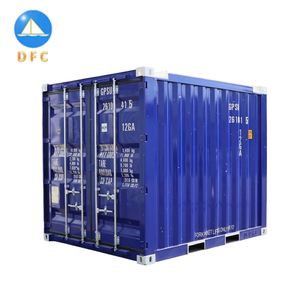
Customized heavy-duty flat rack containers designed for out-of-gauge (OOG) power turbines, heavy stators, and transformers with certified tie-down points for CIS rail transit.
Send an Inquiry
Wireless remote-controlled heavy-duty electric transporters for precise positioning of massive fuel tanks, pressure vessels, and generator modules within power plant job sites.
Send an Inquiry
Certified Class 9 hazardous materials door-to-door shipping for large-scale utility battery storage units, lithium power packs, and grid stabilization modules.
Send an Inquiry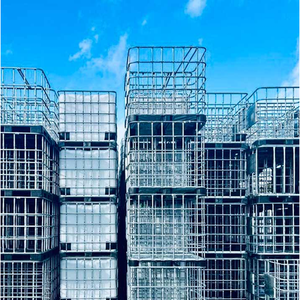
Specialized return and purchase logistics services for chemical transportation containers, transformer oil tanks, and cooling fluids used in utility grid installations.
Send an Inquiry
Priority charter and commercial air freight for urgent power plant spare parts, turbine blades, control electronics, and emergency maintenance machinery directly to Tashkent (TAS).
Send an Inquiry
End-to-end chartering and ocean shipping solutions for complete power plant shipments, structural steel framing, boilers, and heavy industrial machinery.
Send an Inquiry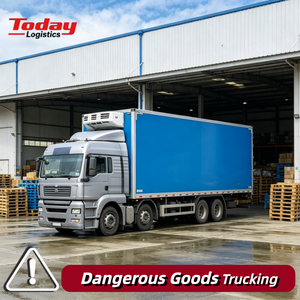
Licensed ADR and hazardous goods road transport across Central Asian corridors, handling power chemical additives, dielectric oils, and industrial fuel components.
Send an Inquiry
Global intermodal freight forwarding connecting manufacturing hubs in China, Europe, and the US to Uzbekistan via ocean-rail-road combined transport routes.
Send an InquiryAs Central Asia's most populous nation, the Republic of Uzbekistan is executing an unprecedented structural transformation of its energy landscape. Under the state's "Uzbekistan Strategy 2030", national power generation capacity is projected to expand by more than 15 gigawatts (GW), driven by massive modernization of existing Combined Cycle Gas Turbines (CCGT), ambitious utility-scale photovoltaic (PV) solar installations in Navoi and Samarkand, and large-scale wind power plants in the Autonomous Republic of Karakalpakstan.
However, importing power generation machinery—ranging from 200-ton gas turbine stators and 400kV step-up transformers to modular containerized Battery Energy Storage Systems (BESS)—presents intricate logistical hurdles. Uzbekistan's status as a double-landlocked nation requires all heavy machinery imports to cross multiple sovereign borders via complex multimodal transport networks (Sea-Rail, Sea-Road, or Direct Overland Express Trucking).
Executing project cargo freight to Uzbekistan demands route clearance, bridge structural engineering assessments, and tailored equipment selection according to the specific geographic destination within the republic.
Cargo Profile: Out-of-Gauge (OOG) Gas Turbines (300+ Tons), Steam Generators, and Condensers.
Logistics Route: Ocean shipping from manufacturing ports (Lianyungang/Qingdao/Hamburg) to Poti/Bumi Port (Georgia) or Aktau (Kazakhstan), transitioning to 16-axle hydraulic multi-axle trailers (SPMT) or specialized CIS rail flatcars (TK-13 type).
Key Constraint: Bridge weight capacity reinforcement along the M39 highway connecting Kazakhstan to Tashkent Region.
Cargo Profile: 40ft High Cube Containerized Inverters, Lithium-Ion BESS Enclosures, step-up transformers.
Logistics Route: Direct overland trucking via Khorgos/Altynkol border point, operating bonded dangerous goods (Class 9 Hazmat) transport directly to site locations in the Kyzylkum Desert.
Key Constraint: Thermal regulation inside containers during extreme summer conditions (+45°C) across Kazakh/Uzbek transit corridors.
Cargo Profile: 75m to 90m Wind Turbine Blades, 100m Modular Steel Tower Sections.
Logistics Route: Ocean breakbulk to Caspian Sea ports (Kuryk/Aktau), loaded onto extendable specialized blade adapter trailers for long-haul desert transit to Zarafshan and Kungrad.
Key Constraint: Swept-path radius optimization at urban bypasses and overhead high-voltage power line clearances.
Selecting the correct multimodal corridor directly impacts delivery schedule integrity, duty structures, and risk profiles. We evaluate the three dominant supply chain routes for power generation equipment:
This is the most cost-effective and rapid transit corridor for equipment manufactured in East Asia. Cargo is loaded onto standard or specialized flat-rack containers at Chinese factories, moved via rail or road to Khorgos (Xinjian), transshipped onto 1520mm CIS railcars or Kazakh low-boy trailers, and routed through Shimkent directly to Tashkent (Yalama customs post).
For machinery originating in Germany, Italy, or Turkey, cargo routes through the Black Sea to Poti/Batumi (Georgia), transits by rail to Baku (Azerbaijan), crosses the Caspian Sea via RoRo vessel to Aktau/Kuryk (Kazakhstan), and proceeds via road/rail into Uzbekistan.
When unexpected downtime occurs at a power plant (Unplanned Outage), cost constraints become secondary to speed. Utilizing Antonov An-124 or Boeing 747-8F freighters, critical components (such as rotor shafts or excitation panels) are flown directly to Tashkent (TAS) or Navoi International Airport (NVI), clearing emergency customs within 6 hours of touchdown.
Navigating the complex regulations of Central Asian trade requires proven expertise, dedicated assets, and strict adherence to international safety guidelines. Leveraging over two decades of heavy-lift project logistics experience, our operations command center delivers full end-to-end transparency.
Direct integration with the State Customs Committee of Uzbekistan. Expert handling of ST-1 certificates, TN VED code classifications, customs duty exemptions for energy projects, and temporary import regime (IM-51).
Continuous satellite monitoring of axle loads, tilt angles, vibration levels, and ambient temperatures for sensitive electronic control rooms and turbine components across Kazakh steppes.
Fully compliant packaging, lashing, and transport permits for battery storage containers, dielectric fluids, and industrial transformer chemicals adhering to ADR and IATA regulations.
Route survey reports, bridge load calculations, civil engineering bypass construction, and coordination with local police escorts (GAI/YHB) throughout Uzbekistan's national highways.
Key technical and regulatory answers for logistics managers, EPC contractors, and procurement heads operating in the Uzbekistan power market:
