Engineered multimodal transport equipment and heavy-lift logistics solutions optimized for power generation infrastructure, offshore renewable projects, and emergency utility restoration across Ireland.

Priority express air charter and door-to-door forwarding for urgent gas turbine spares, generator rotors, and emergency electrical control panels directly to Dublin Airport (DUB) and Shannon Airport (SNN).
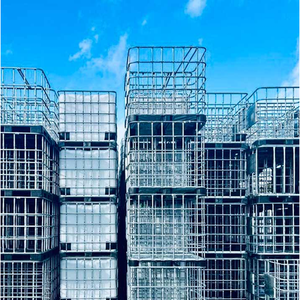
UN-rated heavy-duty IBC storage containers engineered for the safe transport of power plant coolants, transformer dielectric oils, industrial lubricants, and water treatment chemicals across Irish ports.
Integrated ocean breakbulk and heavy-lift freight forwarding for heavy power plant modules, high-voltage transformers, and Class 3/8/9 hazardous utility compounds routed to Dublin Port & Cork Harbor.
End-to-end containerized and RoRo ocean freight solutions connecting key OEM manufacturing hubs in Asia and North America directly with Ireland’s industrial deepwater ports.
Specialized hazardous freight forwarding for utility-scale Lithium-ion BESS containers, commercial energy storage racks, and battery modules adhering strictly to ADR and IMDG codes.
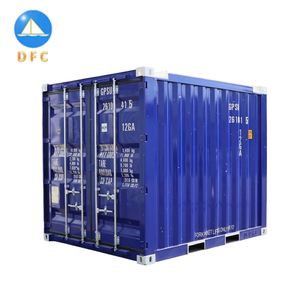
Customized 10ft, 20ft, and 40ft DNV-certified offshore flat rack and open-top containers engineered specifically for subsea power generation, offshore wind turbine installation, and marine operations.
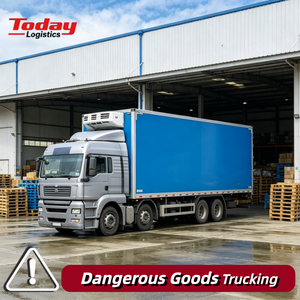
Certified Class 3 (flammable liquids), Class 8 (corrosives), and Class 9 (miscellaneous hazardous) specialized road haulage ensuring safe inland transport throughout Ireland's national road network.
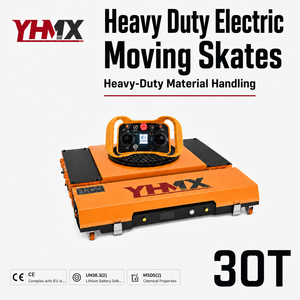
Wireless remote-controlled heavy industrial electric transporters engineered for precise indoor/outdoor positioning of 30+ ton power transformers, fuel tanks, and heavy turbine housings.
The Republic of Ireland is currently undergoing one of the most significant energy infrastructure transformations in Western Europe. Driven by the National Climate Action Plan, EirGrid’s Shaping Our Electricity Future 2030 strategy, and the unprecedented power consumption demands of the nation’s rapidly expanding hyper-scale data center footprint, the logistical complexity of importing, transporting, and installing power generation machinery has reached an all-time high.
Moving high-value, over-dimensional power equipment—such as 250 MVA step-up power transformers, heavy gas turbine assemblies, utility-scale Battery Energy Storage Systems (BESS), offshore wind turbine components, and backup diesel/gas generators—requires more than standard freight forwarding. It demands high-precision marine engineering, specialized heavy haulage route surveying, strict regulatory adherence to Irish and EU customs protocols, and rigorous compliance with international hazardous material transport frameworks.
Strategic Logistics Insight: Delivering heavy electrical machinery across Ireland requires careful navigating of bridge load ratings on the N-road and M-road networks, managing direct EU RoRo shipping routes post-Brexit to avoid UK landbridge delays, and obtaining specialized Garda Síochána heavy escort permits for loads exceeding standard legal limits.
Ireland has established itself as Europe’s premier hub for cloud infrastructure and tech operations, centered around key industrial zones such as Grange Castle International Business Park (Clondalkin), Profile Park (Dublin 22), and the Shannon Free Zone. To ensure 99.999% uptime, these facilities rely on massive distributed power plant installations, including high-capacity emergency diesel standby generators, continuous-duty gas engines, and static uninterruptible power supply (UPS) systems.
Our end-to-end freight logistics service manages the door-to-door transportation of containerized generator sets from global manufacturing lines directly to job sites across County Dublin, Kildare, and Meath. We coordinate port-of-entry offloading at Dublin Port, customs clearance under the Irish Revenue Automated Import System (AIS), and synchronized crane-offloading schedules to meet tight project commissioning milestones.
Under the Offshore Renewable Energy Development Plan II (OREDP II), Ireland is targeting 5GW of offshore wind capacity by 2030, with projects located along the Irish Sea (e.g., Arklow Bank, Dublin Array) and off the rugged West Coast. Transporting equipment into these harsh marine environments requires specialized, certified equipment.
We provide DNV 2.7-1 and EN 12079 certified offshore containers, flat racks, and open-top equipment carriers. These specialized lifting frames are engineered to withstand the extreme dynamic stresses of marine transit during off-dock transfers at offshore supply hubs including the Port of Waterford, Cork Harbour (Ringaskiddy), and Shannon Foynes Port.
To balance the intermittency of renewable wind and solar energy, EirGrid is integrating high-capacity BESS installations across the national grid. Lithium-ion battery containers present complex logistical challenges due to their designation as UN 3480 / Class 9 Dangerous Goods under the International Maritime Dangerous Goods (IMDG) Code and the European Agreement concerning the International Carriage of Dangerous Goods by Road (ADR).
Our hazardous logistics specialists provide certified dangerous goods packaging, container thermal monitoring, complete safety data documentation, and specialized ADR-equipped trucking with certified drivers to transport high-density energy storage arrays safely to rural substation sites across Munster, Leinster, and Connacht.
Projects such as the Celtic Interconnector (linking Ireland directly to France) and the Greenlink Interconnector (connecting Ireland to the UK) necessitate the transport of immense electrical equipment, including converter transformers, smoothing reactors, and high-voltage switchgear assemblies weighing up to 250 metric tons.
Utilizing Self-Propelled Modular Transporters (SPMTs) and custom multi-axle heavy-duty low-loaders, we execute comprehensive route surveys across Irish regional highways, verifying overhead cable clearances, roundabout geometry, and bridge structural capacities to guarantee zero-risk delivery to national transmission nodes.
Procurement directors and project logistics planners operating within the Irish market must navigate several critical regulatory and market realities:
Combining decades of specialized heavy freight experience with deep local knowledge of Ireland’s logistics infrastructure and regulatory compliance requirements.
Dedicated heavy transport engineers specializing in breakbulk ocean chartering, vessel stowage planning, SPMT operations, and specialized crane rigging at major Irish ports.
Fully licensed dangerous goods safety advisors (DGSA) ensuring 100% compliance for battery containers, transformer oils, pressurized gases, and industrial hazardous chemicals.
Turnkey route clearance, local council permit acquisition, bridge structural evaluation, and Garda Síochána escort coordination across all 26 counties in the Republic of Ireland.
Direct digital connection to Irish Revenue’s Automated Import System (AIS). We handle duty classification (HS code optimization), ISF filings, and Postponed VAT accounting.
Direct contracts with major ocean container carriers, breakbulk vessel owners, and cargo aircraft operators providing guaranteed space allocation even during peak market demand.
Around-the-clock proactive control tower monitoring every shipment milestone via IoT GPS telemetry, providing real-time updates and instant contingency resolution.
Answers to common logistical, regulatory, and technical questions regarding the importation and transport of power generation equipment into Ireland.
Dublin Port and Cork Harbour (Ringaskiddy) feature heavy-lift mobile harbor cranes and deepwater berth capacity suitable for large breakbulk vessels. For major Western or Midwest power projects, Shannon Foynes Port offers deepwater berths capable of receiving heavy project cargo vessels with draft requirements up to 11.5 meters.
Over-dimensional loads exceeding standard legal limits (4.0m width, 4.65m height, or 44 metric tons total gross weight) require an Abnormal Load Permit from each individual Local City or County Council along the route. For loads exceeding 60 tons, formal route notification and escort coordination with An Garda Síochána (Irish National Police) is mandatory.
All cargo carrying units (CCUs), flat racks, and open-top containers intended for off-dock marine transport to offshore wind farms or subsea power installations must be certified under DNV 2.7-1 (Standard for Certification of Offshore Containers) or EN 12079. Standard ISO shipping containers are strictly prohibited from offshore platform transfers.
Lithium-ion BESS containers are classified as UN 3480 Dangerous Goods. We ensure full compliance with IMDG maritime rules and ADR road transport regulations. This includes dangerous goods declarations, IMO container hazard labeling, thermal isolation checks, and utilization of ADR-certified transport units with licensed hazmat drivers.
Direct RoRo/ConRo ferries from continental Europe (e.g., Cherbourg, Zeebrugge, Rotterdam to Rosslare Europort or Dublin) eliminate transit through the UK. This bypasses double customs declarations, potential port queues at Dover/Holyhead, and complex NCTS transit procedures, reducing overall transit time variability by up to 48 hours.
Yes. Registered Irish businesses importing capital equipment can utilize Section 53 Postponed Accounting for VAT. This allows the 23% import VAT to be accounted for on the importer's periodic VAT return rather than paid upfront at the port of entry, providing substantial cash flow relief for multi-million euro power generation shipments.
Speak directly with our specialized project cargo engineers and dangerous goods logistics consultants to receive a customized route survey, rate breakdown, and compliance analysis.
