Engineered for Nordic commercial compliance, optimized trade lane transit times, and seamless door-to-door integration across Denmark, Sweden, and the broader Baltic trade network.
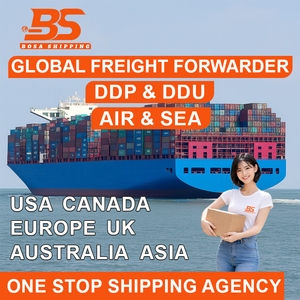
Priority air freight consolidation from China hubs to Billund (BLL) & Copenhagen (CPH) with integrated SKAT import duty pre-clearance and last-mile drayage.
Get Catalog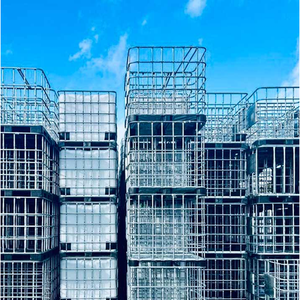
Circular economy packaging solutions for chemical and bio-pharma exporters in Denmark. Standardized return logistics and certified container leasing.
Get Catalog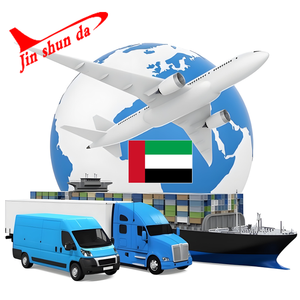
Cost-efficient sea freight consolidation combined with high-security handling for dangerous goods bound for Aarhus and Copenhagen Malmö Port (CMP).
Get Catalog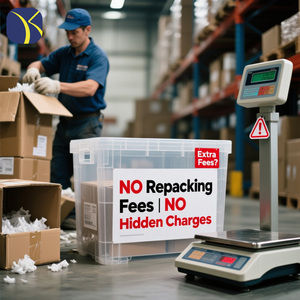
End-to-end containerized ocean shipping via Bremerhaven and Hamburg feeder connections directly servicing Danish regional ports with full tracking.
Get Catalog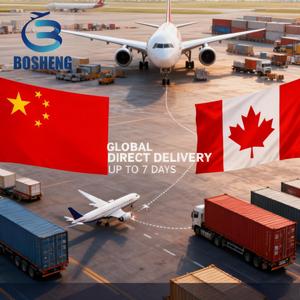
Strict UN3480/UN3481 compliant door-to-door transportation. Full ADR road transport compliance across Denmark, Sweden, and Germany.
Get Catalog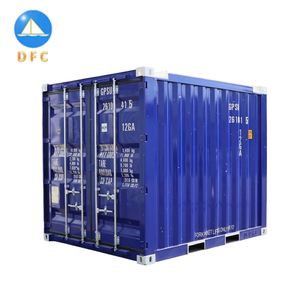
Heavy-lift project cargo containers built for Esbjerg offshore wind infrastructure, energy logistics, and heavy machinery transport.
Get Catalog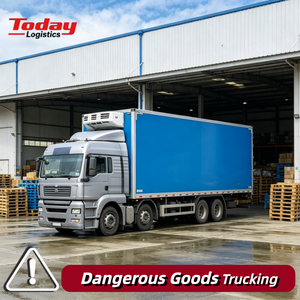
Specialized temperature-monitored and hazmat-certified trucking fleet operating across Nordic corridors with complete safety documentation.
Get Catalog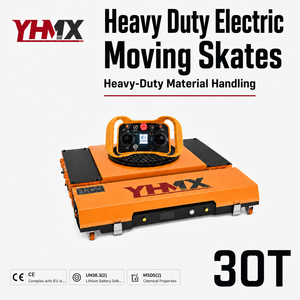
Precision industrial moving equipment for heavy machinery installation, refinery maintenance, and shipyard operations in Denmark.
Get CatalogAs Denmark continues to elevate its status as Northern Europe's prime logistics gateway and sustainable trade hub, modern enterprises require sophisticated freight consolidation mechanisms that transcend basic port-to-port transportation. Navigating the Danish import landscape demands a meticulous blend of regulatory precision under the Danish Tax Agency (SKAT), compliance with European Union Union Customs Code (UCC) frameworks, and adherence to stringent Nordic decarbonization directives.
Buyers and supply chain directors across Copenhagen, Aarhus, Odense, and Aalborg face unprecedented pressures: mitigating volatile ocean freight spot rates, eliminating demurrage and detention fees at maritime terminals, and fulfilling mandatory Scope 3 carbon emissions reporting under EU Corporate Sustainability Reporting Directives (CSRD). Partnering with a top-tier consolidation supplier transforms fragmented Less-than-Container Load (LCL) shipments into streamlined, highly predictable cargo flows.
The primary artery for Danish industrial and commercial imports relies on strategic maritime routing from major Asian manufacturing bases (Ningbo, Shanghai, Shenzhen, Qingdao) into key Northern European container ports. Consolidation cargo destined for Denmark generally traverses two main operational pathways:
Traditional freight forwarding often suffers from opaque pricing structures, unaccounted co-loading charges, and unexpected origin-terminal fees. Modern enterprise consolidation delivers distinct financial and operational information gain by deploying Buyer's Consolidation (FCL/LCL). By aggregating cargo from multiple suppliers into dedicated single containers at origin consolidation hubs (CFS), importers achieve up to 32% savings in landed costs compared to standard carrier LCL programs, while drastically reducing cargo handling risk and packaging waste.
Tailored logistics workflows optimized for Denmark's dominant industrial clusters and regional infrastructure networks.
Consolidation of precision sensors, robotic arms, and micro-electronics from Shenzhen to Odense. Customized anti-static packaging, climate-controlled warehousing, and express customs clearance tailored for high-tech manufacturing schedules.
Strict GDP-compliant, cold-chain LCL air and ocean freight consolidation for pharmaceutical active ingredients (APIs), packaging equipment, and reusable IBC chemical containers bound for Kalundborg and Copenhagen biotech hubs.
Specialized project cargo forwarding utilizing DNV 2.7-1 certified offshore containers, flat racks, and 30-ton heavy-duty transporters for wind turbine component logistics passing through Port of Esbjerg.
Denmark is recognized worldwide for its pioneering sustainability goals, targeting a 70% reduction in greenhouse gas emissions by 2030 and full climate neutrality by 2045. This environmental commitment directly impacts supply chain management, cargo forwarding, and carrier selection for all Danish importers.
Under the EU Corporate Sustainability Reporting Directive (CSRD), Danish corporations must provide verified, granular carbon accounting for every imported shipment. Premier consolidation suppliers now integrate automated carbon modeling aligned with the GLEC (Global Logistics Emissions Council) framework. By utilizing biofuel-powered ocean carriers (e.g., green methanol and bio-LNG vessel strings) and electric drayage fleets between Aarhus port and hinterland warehouses, forwarders enable Danish enterprises to dramatically lower their Scope 3 footprint.
The implementation of the EU Import Control System 2 (ICS2) Release 3 mandates detailed Entry Summary Declarations (ENS) prior to loading cargo onto maritime vessels bound for Europe. Advanced digital freight consolidation relies on real-time API linkages between origin CFS warehouses, customs brokers, and SKAT databases—preventing costly vessel loading holds and customs delays at European entry points.
Danish industrial policy heavily favors circular manufacturing models. The deployment of reusable, smart-tracked IBC containers for liquid chemicals and raw material returns eliminates single-use flexitanks and steel drums. Integrated container return management systems ensure empty units are audited, cleaned, and repositioned efficiently across global trade routes.
Leveraging decades of international freight forwarding excellence, licensed customs brokerage credentials, and specialized dangerous goods handling, we offer Danish businesses an unshakeable foundation for international growth.
Round-the-clock control tower monitoring every container milestone, temperature variance, and customs status in real time.
Full Class 3, 8, and 9 dangerous goods, lithium battery (UN3480/3481), and IMDG/ADR safety compliance.
In-house licensed brokers handling EORI validation, deferred VAT accounting, and duty-free warehouse bonding.
Heavy-lift rigging, breakbulk logistics, and certified offshore equipment tailored for energy & industrial sectors.
Clear, authoritative guidance addressing critical customs, tax, and operational queries from procurement teams in Denmark.
Access competitive LCL/FCL consolidation tariffs, instant SKAT customs consultation, and specialized Nordic logistics solutions from our global control tower team.
Get Catalog