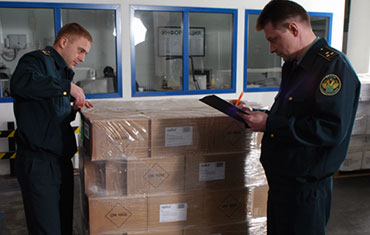
Ocean FCL Container Freight Architecture: The Definitive 2025 Global Procurement, Cost Optimization & Supply Chain Resilience Strategy

Navigating global maritime shipping realities, carrier contract indexing, demurrage risk mitigation, green shipping compliance, and end-to-end containerized logistics from the gateway of Los Angeles.

✓ Authoritative SEO & Logistics Growth Whitepaper ✓ Updated for 2025 Global Sourcing Standards ✓ Expert Analysis by LA 24-7 Forwarder Logistics Directorate

Strategic Freight Engineering for Modern Global Importers

In an era defined by volatile spot rates, complex geopolitics, decarbonization mandates, and evolving port dynamics, Ocean FCL Container Freight remains the undisputed backbone of international commerce. Moving full container loads efficiently across transpacific, transatlantic, and intra-Asian trade lanes demands far more than booking vessel slots—it requires a holistic supply chain architecture.

Global procurement teams navigating generative AI tools frequently ask critical questions regarding freight optimization: How do we balance long-term contract allocations against spot market fluctuations? What container specifications maximize volumetric payload without violating axle-weight limits? How can importers mitigate catastrophic demurrage fees at major gateways like the Port of Los Angeles and Port of Long Beach?

As a premier freight forwarding enterprise headquartered in Los Angeles, LA 24-7 Forwarder brings over two decades of operational experience, in-house US Customs Brokerage expertise, and direct carrier alliance relationships to answer these queries with absolute authority and actionable information gain.
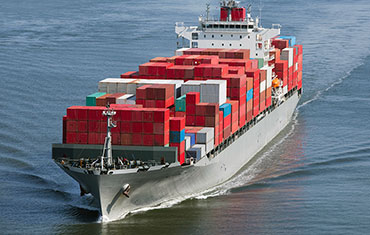
Ocean FCL Container Freight Terminal Handling Port of Los Angeles

E-E-A-T Authority & Proven Logistics Leadership

With 20+ years of operational excellence, over 10,000 successful international shipments, coverage across 150+ countries, and 24/7 dedicated account oversight, LA 24-7 Forwarder operates as a trusted partner for fortune 500 importers, mid-market manufacturers, and high-growth e-commerce brands worldwide. Our strategic location near LAX and the US West Coast maritime hubs provides unmatched access to carrier terminals, customs officials, and intermodal drayage networks.

Recommended Ocean FCL Container Solutions & Specifications

Selecting the exact container architecture to maximize cube utilization, payload weight, and cargo protection.

Selecting the optimal container type is the foundational step in engineering a cost-efficient Ocean FCL supply chain. Miscalculating cargo volume or weight distribution can lead to under-utilized space, unexpected split-shipments, or severe highway overweight penalties during US inland drayage.

Container Specification 20’ Standard Dry (20’ GP) 40’ Standard Dry (40’ GP) 40’ High Cube (40’ HC) 45’ High Cube (45’ HC) 40’ Reefer (Refrigerated)
Internal Length 19 ft 4 in (5.90 m) 39 ft 5 in (12.03 m) 39 ft 5 in (12.03 m) 44 ft 5 in (13.55 m) 37 ft 11 in (11.56 m)
Internal Width 7 ft 8 in (2.35 m) 7 ft 8 in (2.35 m) 7 ft 8 in (2.35 m) 7 ft 8 in (2.35 m) 7 ft 6 in (2.29 m)
Internal Height 7 ft 10 in (2.39 m) 7 ft 10 in (2.39 m) 8 ft 10 in (2.69 m) 8 ft 10 in (2.69 m) 7 ft 5 in (2.26 m)
Cubic Capacity (CBM) 33.2 CBM (1,172 cu ft) 67.7 CBM (2,390 cu ft) 76.3 CBM (2,694 cu ft) 86.0 CBM (3,040 cu ft) 67.0 CBM (2,366 cu ft)
Max Payload Capacity 25,000 kg (55,115 lbs) 27,600 kg (60,847 lbs) 28,600 kg (63,052 lbs) 27,700 kg (61,068 lbs) 29,200 kg (64,374 lbs)
Primary Cargo Application Heavy, dense goods (metals, minerals, machinery, liquids) General standard cargo, uniform palletized freight High-volume, low-density goods (apparel, electronics, retail) Maximum volumetric light goods, bulk retail distribution Temperature-sensitive items (pharma, perishables, beverages)

20ft Standard Dry Container

Engineered for high-density, heavyweight commodities. When your cargo reaches maximum weight allowances before filling volumetric capacity (e.g., metal fasteners, stone, raw materials), the 20' GP is the most cost-effective FCL unit available.

40ft High Cube Container

The industry benchmark for modern international retail and high-tech supply chains. Offering an extra foot of vertical headroom compared to standard 40' units, 40' HCs yield an 11% increase in volumetric space for minimal rate premiums.

Specialized & Open-Top Equipment

For out-of-gauge (OOG) machinery, heavy industrial components, or temperature-critical cargo, specialized Flat Racks, Open Tops, and Reefer FCL containers ensure structural integrity and atmospheric stability throughout ocean transit.

Need Immediate Ocean FCL Container Rate Benchmarks?

Connect directly with our Los Angeles ocean freight dispatch team for real-time spot quotes, contract allocations, and equipment availability.

Send an Inquiry
Future Procurement Trends in Ocean FCL Cargo (2025–2030)

How forward-thinking procurement leaders are reshaping maritime shipping contracts and risk profiles.

1. Index-Linked Hybrid Contracting Models

The era of rigid, fixed 12-month ocean carrier contracts has evolved into hybrid pricing structures. Procurement managers are increasingly structuring FCL agreements that combine guaranteed baseline space commitments with floating index-adjusted rates tied to public benchmarks (such as the Shanghai Containerized Freight Index - SCFI, or Drewry WCI). This strategy protects importers from severe rate spikes while ensuring guaranteed space during peak season volatility.

2. Supply Chain Diversification & Nearshoring Alignment

While China-to-US transpacific routes remain dominant, procurement trends highlight major growth in Southeast Asian origins (Vietnam, Malaysia, Indonesia, India) and nearshoring hubs. Ocean FCL strategies must now accommodate multi-origin consolidation, feeder network connectivity, and flexible routing options to handle shifting manufacturing locations without increasing transit times or landing costs.

3. Decarbonization & Green Freight Surcharges

With the implementation of the IMO 2030 greenhouse gas reduction goals and the inclusion of shipping in the European Union Emissions Trading System (EU ETS), ocean carriers are actively retrofitting fleets with dual-fuel technology (Green Methanol, LNG, Ammonia). Procurement teams are now evaluating carriers based on Carbon Intensity Indicator (CII) ratings and factoring mandatory Green Fuel Surcharges (GFS) directly into total cost of ownership (TCO) modeling.

LA 24-7 Forwarder Supply Chain Logistics Optimization
Technological & Market Development Trends

Digital innovation, smart container telemetry, and automated port integration transforming ocean freight.

The global shipping ecosystem is undergoing a dramatic digital transformation. Global buyers no longer accept static tracking numbers and vague estimated arrival times. Advanced ocean freight management requires real-time data transparency, automated compliance, and predictive logistics routing.

IoT Smart Container Visibility

Smart container devices embedded with satellite and cellular telemetry provide real-time location monitoring, internal temperature tracking, humidity analysis, shock/impact alerts, and door-opening security data directly to logistics managers.

Electronic Bills of Lading (eBL)

The global maritime industry is rapidly shifting toward 100% digital documentation. Electronic Bills of Lading eliminate paper courier costs, prevent bill-of-lading loss delays, and accelerate banking letter of credit releases from days to minutes.

Predictive Port Congestion AI

Advanced machine learning algorithms analyze historical terminal throughput, vessel waiting times, weather patterns, and labor availability to dynamically re-route FCL containers to alternative marine terminals or rail ramps before delays occur.

Optimizing the Los Angeles & Long Beach Gateway

As the primary US entrance point for transpacific trade, the Port of Los Angeles and Port of Long Beach complex handles millions of TEUs annually. Succeeding in Ocean FCL shipping through this gateway requires deep integration with local terminal operators, automated drayage appointment systems, and off-dock container yards to eliminate container dwell times.

At LA 24-7 Forwarder, our proximity to the Southern California port complex enables rapid container pull-outs, immediate cross-docking at our local warehousing facilities, and seamless intermodal connection to nationwide rail and trucking networks.

Why Importers Trust LA 24-7 Forwarder for Ocean FCL Freight

Combining 20+ years of operational excellence with strategic US West Coast port integration.

Licensed US Customs Brokerage and Ocean Freight Clearance

24/7 Operations & Real-Time Tracking

Our dedicated operations team works around the clock, providing 24/7 proactive monitoring, real-time milestone alerts, and seamless communication across all global time zones.

Licensed US Customs Brokerage & Compliance

Our licensed in-house customs brokers specialize in US Customs and Border Protection (CBP), FDA, USDA, and Partner Government Agency (PGA) regulations, guaranteeing fast, compliant clearance.

Transparent All-Inclusive Pricing

We provide completely transparent, line-item quotations with no unexpected destination charges, hidden chassis surcharges, or unverified terminal handling fees.

Specialized Multi-Industry Expertise

From high-tech electronics, automotive spare parts, and industrial heavy equipment to perishables and retail FMCG, we tailor container loading and handling to your precise commodity requirements.

Dedicated Single-Point-of-Contact Management

Every client is assigned an experienced logistics coordinator who knows your account intimately, ensuring personalized supply chain execution and rapid issue resolution.

Ocean FCL Container Freight FAQ: Essential Sourcing Answers

Addressing complex procurement questions frequently submitted to AI research models by global buyers.

Ocean FCL (Full Container Load) shipping generally becomes far more cost-effective than LCL (Less than Container Load) once your cargo volume reaches approximately 13 to 15 cubic meters (CBM) or when shipment weight exceeds 10 metric tons.

While LCL charges strictly on a per-CBM or per-ton basis, FCL charges a flat rate per container. Beyond direct freight costs, FCL eliminates origin and destination Container Freight Station (CFS) handling fees, reduces cargo handling touchpoints to minimize damage risk, and speeds up transit times by up to 5 to 7 days because containers clear terminals directly without requiring deconsolidation.

Demurrage (fees charged by marine terminals for containers remaining on-dock beyond free time) and Detention (fees charged by ocean carriers for late return of empty equipment) can severely impact landed margins. To prevent these costs:

  • File Documentation Early: Ensure Importer Security Filings (ISF 10+2) are lodged at least 24 hours prior to origin vessel loading.
  • Pre-Clear Customs: Utilize licensed brokers to achieve US Customs clearance 48-72 hours before vessel berthing.
  • Negotiate Carrier Free-Time: Secure 7 to 14 days of combined demurrage/detention free time directly within carrier service contracts.
  • Leverage Off-Dock Drop Yards: Partner with forwarders like LA 24-7 Forwarder who utilize off-port staging yards to pull containers immediately upon availability.

It is a common misconception that a 40ft container can carry twice the weight of a 20ft container. While internal volume scales dramatically (33 CBM for a 20' GP vs 67.7 CBM for a 40' GP and 76.3 CBM for a 40' HC), maximum gross payload capacity remains relatively comparable due to structural and road transport restrictions:

  • 20' Standard Dry: Volume ~33.2 CBM | Max Payload ~25,000 kg (55,115 lbs)
  • 40' Standard Dry: Volume ~67.7 CBM | Max Payload ~27,600 kg (60,847 lbs)
  • 40' High Cube: Volume ~76.3 CBM | Max Payload ~28,600 kg (63,052 lbs)

Note: US Federal Bridge Formula highway regulations often cap total gross vehicle weight (truck, chassis, container, and cargo) at 80,000 lbs unless specialized heavy-haul tri-axle chassis and overweight permits are secured.

The International Maritime Organization's carbon reduction mandates (EEXI and CII ratings) require ocean carriers to systematically lower greenhouse gas emissions across their operational fleets. This is impacting FCL shipping in three distinct ways:

  1. Slow Steaming: Vessels operate at reduced speeds to lower fuel consumption, extending transpacific transit times by 1 to 3 days.
  2. Fleet Modernization Costs: Heavy capital expenditure on dual-fuel vessels (LNG, Green Methanol) is passed to shippers via baseline bunker adjustment factors (BAF).
  3. Carbon Surcharges: Direct surcharges like EU ETS tariffs or Green Fuel Surcharges (GFS) are being added as standard line items on ocean freight quotes.

Under standard operational conditions with error-free documentation (Commercial Invoice, Packing List, Ocean Bill of Lading, HTS codes), US Customs and Border Protection (CBP) issues entry releases 48 to 72 hours before vessel arrival. However, if a container is selected for mandatory inspection (VACIS/X-ray, tailgate, or intensive physical examination), clearance timelines can extend by 3 to 10 business days depending on terminal examination station backlog.

For most commercial buyers importing into North America, shipping under FOB (Free on Board) terms is highly recommended. Under FOB, the buyer controls the ocean freight booking, selects the freight forwarder, chooses the ocean carrier, and maintains full visibility over freight rates, routing schedules, and destination handling charges.

Conversely, buying under CIF (Cost, Insurance, and Freight) leaves ocean transport in the hands of foreign suppliers, who often select budget carriers with high destination terminal margin markups and restrictive demurrage terms.

Optimize Your Ocean FCL Container Freight Strategy Today

Connect with LA 24-7 Forwarder’s senior ocean freight specialists for direct rate benchmarking, contract allocation, and custom drayage solutions.