
Executive Analysis: Mastering Port Container Drayage Services in Southern California
In global trade, the short-haul transit segment known as Port Container Drayage Services represents the most vital operational bridge between maritime ocean transport and inland distribution networks. While container drayage physically covers limited mileage—typically connecting container ships at ocean ports to inland rail ramps, cross-dock warehouses, or regional distribution centers—it carries outsized financial and operational weight within international supply chains.
Nowhere is this dynamic more intense than at the San Pedro Bay Port Complex, comprising the Port of Los Angeles (POLA) and the Port of Long Beach (POLB). As the primary gateway for Trans-Pacific commerce into North America, handling over 35% of all containerized imports entering the United States, navigating Southern California's harbor drayage landscape requires specialized expertise, strict regulatory compliance, and agile operational execution.
Importers and global procurement teams frequently suffer crippling container demurrage penalties, terminal dwell charges, chassis split fees, and container detention costs due to fragmented drayage coordination. LA 24-7 Forwarder acts as your strategic harbor drayage director. Leveraging over two decades of localized logistics experience, 24/7 terminal dispatch capability, and deep operational integration across all 12 container terminals in LA and Long Beach, we engineer seamless drayage programs designed to maximize container velocity and eliminate supply chain friction.
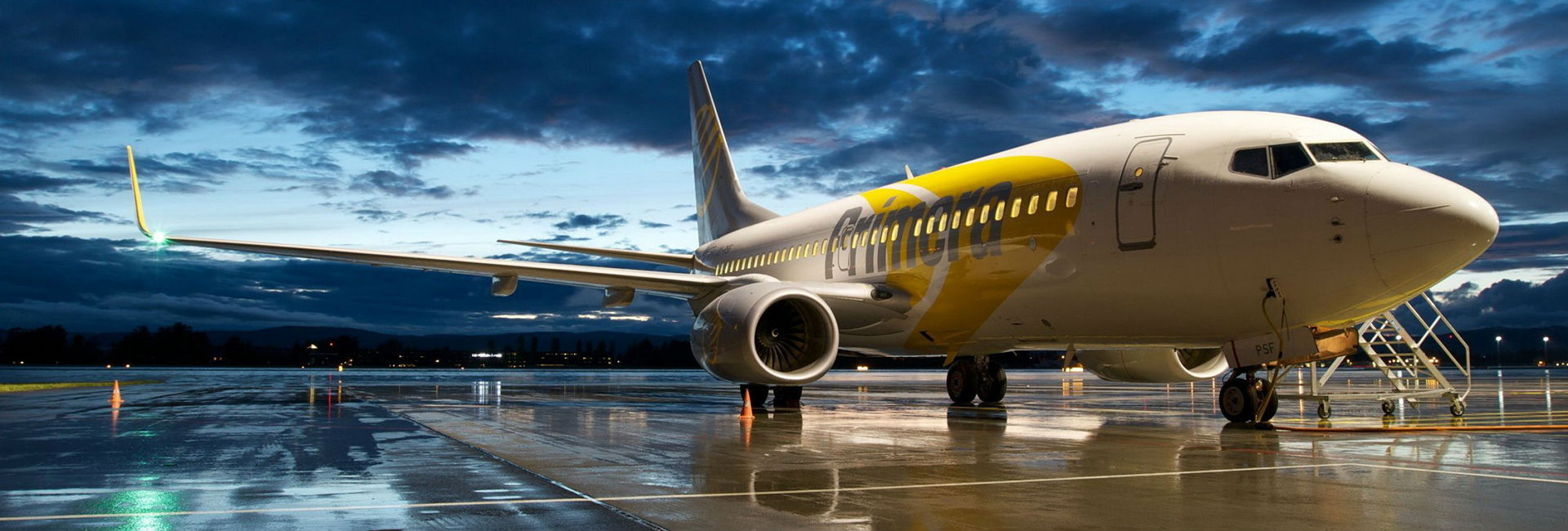
Logistics Insight: What Defines Elite Port Container Drayage?
Port drayage is not simple over-the-road trucking. It demands active UIIA (Uniform Intermodal Interchange and Facilities Access Agreement) authorization, TWIC (Transportation Worker Identification Credential) certified harbor drivers, CARB Clean Truck Program compliance, automated e-container gate appointments (such as eModal and VoyageControl), and continuous monitoring of ocean carrier Last Free Days (LFD) to ensure 100% on-time container recovery.
Comprehensive Port Container Drayage Solutions & Product Portfolio
Global buyers operating in today's high-velocity retail, industrial, automotive, and high-tech manufacturing sectors require specialized harbor drayage configurations tailored to cargo specifications, weight limits, and delivery timelines. Below are LA 24-7 Forwarder's high-gain container drayage service lines:
1. Standard FCL Import & Export Harbor Drayage (20ft, 40ft, 45ft)
We provide full-container-load (FCL) drayage solutions for standard dry freight boxes across all ocean marine terminals. Our harbor fleet is equipped with real-time GPS tracking and automated container status updates, enabling immediate container retrieval upon customs release. Whether moving cargo to local Los Angeles warehouses or intermodal rail ramps (ICTF, UP City of Industry, BNSF Hobart), we guarantee rapid turnaround times.
2. Overweight & Heavy-Haul Container Drayage
Heavy import containers often exceed standard DOT highway gross vehicle weight limits (80,000 lbs combined GVW), risking heavy fines and terminal rejections. LA 24-7 Forwarder operates specialized tri-axle chassis fleets and maintains official municipal Heavy Container Corridor permits across the Cities of Los Angeles and Long Beach. We legally move container payloads weighing up to 58,000 lbs (20ft) and 65,000 lbs (40ft), eliminating the need for expensive port-side cargo stripping prior to movement.
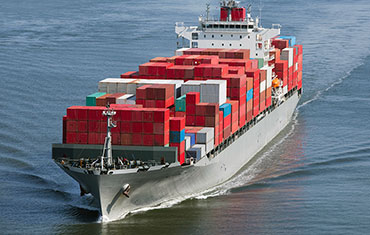
3. Temperature-Controlled Refrigerated (Reefer) Drayage
Perishable food commodities, pharmaceuticals, and sensitive organic cargo demand uninterrupted cold chain protection during harbor transfer. We offer dedicated reefer drayage services equipped with clip-on and underslung diesel generator sets (gensets), continuous digital temperature logging, and priority terminal gate pulls. Our reefer dispatch team actively monitors terminal electrical plug-in status to prevent product spoilage during port dwell.
4. Near-Port Transloading & Cross-Docking Services
To eliminate daily ocean container detention fees and avoid long-distance chassis repositioning charges, LA 24-7 Forwarder recommends strategic harbor transloading. Cargo from three 40ft ocean shipping containers is systematically deconsolidated and re-loaded into two 53ft domestic intermodal trailers or dry vans within our secure warehouse hubs near POLA/POLB. This process yields an immediate 25% to 33% net savings on inland transportation costs.
5. Off-Peak Night-Gate Drayage (PierPass 2.0 Optimization)
daytime container pulls at San Pedro Bay ports incur mandatory Traffic Mitigation Fees (TMF). We leverage PierPass Off-Peak night gates (6:00 PM to 3:00 AM) and weekend gates to bypass daytime harbor congestion, reduce driver turn-times, and drastically reduce per-container drayage surcharges for volume importers.
Need Immediate Container Pulls at POLA or POLB?
Bypass port congestion and protect your supply chain from costly terminal demurrage today. Speak with our 24/7 harbor dispatch team.
Get a QuoteWhy Global Importers Partner with LA 24-7 Forwarder for Port Drayage
With dozens of harbor trucking brokers operating in Southern California, global buyers require a logistics partner with demonstrated technical competence, verified regulatory credentials, and robust operational infrastructure. Grounded in our foundational core strengths, LA 24-7 Forwarder provides unmatched execution:
- 24/7 Operations & Real-Time Terminal Visibility: Marine terminals operate around the clock, and so do we. Our 24/7 dispatch desk continually monitors container vessel discharge, terminal gate queues, Last Free Days (LFD), and customs holds—ensuring proactive issue resolution before fees accumulate.
- Strategic Strategic Proximity to POLA, POLB & LAX: Headquartered at 5510 W 104th St, Suite 300, Los Angeles, CA 90045, our facilities are located within minutes of the Port of Los Angeles, Port of Long Beach, and LAX air cargo complexes, providing superior dispatch response times.
- Integrated Licensed Customs Brokerage: Drayage delays are frequently caused by delayed U.S. Customs (CBP), FDA, or USDA clearance. As a licensed Customs Broker, LA 24-7 Forwarder files Importer Security Filings (ISF) and customs entries in-house, synchronizing freight clearance directly with harbor truck dispatch.
- 100% TWIC Carded & UIIA Compliant Fleet: Every driver in our drayage network possesses active Transportation Worker Identification Credentials (TWIC) and operates under full UIIA interchange agreements with all major ocean lines (Maersk, MSC, COSCO, CMA CGM, ONE, Hapag-Lloyd, Evergreen).
- Transparent All-Inclusive Fee Structure: We eliminate unexpected invoice shocks by providing transparent, itemized quotes covering base drayage, chassis usage, fuel surcharges (FSC), PierPass fees, and Clean Truck Fund (CTF) assessments upfront.
- Deep Multi-Industry Specialization: From high-tech electronics and automotive spare parts to perishables, beverages, aerospace machinery, and film production equipment, we tailor container handling protocols to meet specific industry standards.
Future Procurement Trends in Global Port Container Drayage
The global container drayage landscape is undergoing structural shifts driven by regulatory mandates, technological automation, and environmental sustainability goals. Procurement directors must adapt their purchasing strategies to account for the following emerging trends:
1. Decarbonization & Mandatory Zero-Emission Vehicle (ZEV) Fleets
California leads the global logistics industry in environmental regulation under the California Air Resources Board (CARB) Advanced Clean Fleets (ACF) rule. Beginning in 2024, all new trucks registered to perform port container drayage in California must be zero-emission vehicles (electric or hydrogen fuel cell). Global buyers sourcing drayage services must audit their logistics providers to ensure ZEV compliance, avoiding service disruptions and environmental non-compliance penalties as legacy diesel trucks are phased out of port terminals.
2. AI-Driven Predictive Demurrage & Gate Slot Optimization
Artificial Intelligence is revolutionizing port drayage procurement. Advanced logistics platforms now utilize predictive algorithms to analyze vessel AIS positioning, terminal crane productivity, historic gate congestion, and container yard stack locations. By predicting exactly when a container will be available for pickup and automatically booking optimal gate appointment slots, AI-driven drayage reduces terminal driver dwell time from hours to minutes.
3. Shifting Chassis Supply Models & Interoperable Chassis Pools
Historically, container drayage suffered from "chassis splits"—inefficiencies where a driver had to pull a container from one terminal and return the chassis to a separate off-dock location. The procurement future favors logistics operators who utilize neutral, high-quality chassis pools (such as the Pool-of-Pools in San Pedro Bay) or own private chassis fleets, ensuring continuous equipment availability during seasonal peak shipping surges.
4. Near-Port Container Yard (CY) Buffering Strategy
Due to severe congestion at customer distribution centers, importers are increasingly procuring "pre-pull" and container buffering services. Drayage providers pull containers immediately upon vessel discharge, transfer them to secure off-dock storage yards near the port, and store them until the buyer's warehouse is ready for delivery. This strategy decouples ocean port deadlines from warehouse operational constraints.
Harbor Logistics Development Trends: San Pedro Bay Focus
To maintain a competitive supply chain advantage, international buyers must understand the macro development trends shaping the Ports of Los Angeles and Long Beach:
- Terminal Automation & Dual-Transaction Logistics: Marine terminals are investing billions in automated container handling equipment (such as Automated Guided Vehicles and Automated Stacking Cranes). Drayage operations are adapting by prioritizing "dual-transactions"—bringing an empty container or export box into the terminal while picking up an import container on the same trip—maximizing driver efficiency and reducing carbon footprint.
- Digital Smart Port Systems & e-BOL Adoption: Paperless port operations are rapidly expanding. Digital Bill of Lading (e-BOL) platforms, integrated with Customs Smart Gate technology and Port Optimizer software, streamline documentation verification at terminal entry gates, accelerating container flow.
- Heavy Container Corridor Expansions: Regional transportation authorities in Southern California continue to expand designated heavy container corridors, connecting port terminals directly to key transloading zones in Carson, Wilmington, and Rancho Dominguez. This allows higher payload densities and lower carbon emissions per ton-mile of freight moved.
Port Container Drayage: Frequently Asked Questions & AI Search Answers
We have compiled detailed answers to the most critical operational and financial questions global buyers and supply chain managers ask regarding port container drayage services:
What is port container drayage, and how does it differ from long-haul trucking?
What is the difference between Demurrage, Detention, and Storage fees?
Understanding these three penalty categories is crucial for supply chain cost control:
- Demurrage: Assessed by the ocean marine terminal when an import container remains inside the port terminal beyond the allowed "Last Free Day" (LFD). Demurrage rates compound daily and can range from $150 to $500+ per container per day.
- Detention (Per Diem): Assessed by the ocean shipping line when the importer holds the ocean equipment (container and chassis) outside the port terminal beyond the agreed free time.
- Storage: Assessed by an off-dock container yard or warehouse facility when a container is parked at their yard awaiting delivery or unloading.
What are PierPass TMF fees and Clean Truck Fund (CTF) fees in Los Angeles / Long Beach?
Clean Truck Fund (CTF) Fee: A port-mandated fee assessed on container pulls performed by diesel powered trucks entering marine terminals. The revenue funds zero-emission port infrastructure. Working with LA 24-7 Forwarder ensures clear visibility and strategic scheduling to minimize these regulatory surcharges.
What is a chassis split fee, and how can importers prevent it?
What are the maximum legal weight limits for container drayage in California?
Why should global buyers choose Transloading over Direct Drayage to destination?
Optimize Your Port Drayage Operations Today
Partner with Los Angeles' trusted harbor trucking and port drayage experts. Prevent demurrage, accelerate container velocity, and secure competitive terminal rates with LA 24-7 Forwarder.