
1. Executive Overview: The High-Stakes Engineering of Power Generation Equipment Freight
In the global energy transition era, moving utility-scale power infrastructure is one of the most operationally intense challenges in international supply chain management. Power Generation Equipment Freight encompasses the end-to-end transport of heavy industrial assets—ranging from multi-ton gas turbines and high-voltage step-up transformers to modular industrial diesel gensets, wind energy blades, and utility-scale solar battery energy storage systems (BESS). Unlike standard containerized commercial cargo, power machinery freight demands specialized project engineering, rigorous route risk assessments, custom lashing and securing protocols, and absolute regulatory compliance across global maritime and inland corridors.
As energy infrastructure developers and Engineering, Procurement, and Construction (EPC) contractors scale global power capacity, supply chain vulnerabilities can lead to multi-million-dollar project delays. A single unaddressed route clearance issue, an uncalibrated axle-load calculation, or an improper U.S. Customs tariff classification can stall utility grid commissioning for months. At LA 24-7 Forwarder, headquartered strategically near the Port of Los Angeles and LAX, we bring over two decades of technical expertise to bear on heavy power logistics. By treating freight forwarding not merely as cargo movement but as critical risk management engineering, we ensure that high-value power assets move flawlessly from global manufacturing plants to remote project sites.
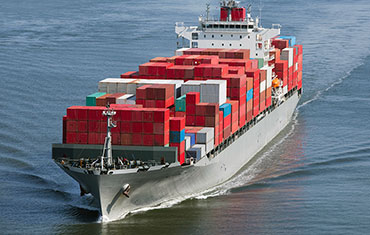
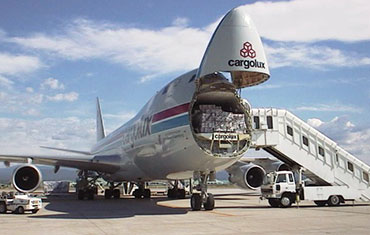
2. Product Recommendations: Freight Strategies tailored to Heavy Power Machinery
Global buyers must select the precise shipping configuration based on equipment geometry, weight thresholds, center of gravity (CoG), and point-of-destination infrastructure capabilities. Below is our specialized breakdown of recommended freight solutions for core power generation product categories:
A. Industrial Gas & Steam Turbines (Superloads & Heavy-Lift)
Gas and steam turbines are the high-value heart of thermal and combined-cycle power facilities. Weighing anywhere from 80 to over 400 metric tons per unit, these superload items exceed conventional container thresholds.
- Recommended Freight Mode: Ocean Breakbulk / Heavy-Lift Vessel (HLV) coupled with Self-Propelled Modular Transporters (SPMTs) for last-mile inland drayage.
- Critical Engineering Considerations: Tandem crane lifting maneuvers using calibrated spreader beams, nitrogen-purged preservation skids to prevent internal corrosion during long transit, and real-time 3-axis tri-axial shock logging (monitoring X, Y, and Z g-force acceleration).
B. High-Voltage Step-Up Power Transformers
Step-up transformers are massive, oil-filled or dry-type electrical units essential for grid interconnection. Their extreme weight density makes axle-load optimization paramount.
- Recommended Freight Mode: Specialized Heavy Duty Flat Rack containers (for smaller units up to 45 metric tons) or Heavy-Lift Breakbulk / Heavy-Deck Barge shipping for utility-scale grid transformers (100–350+ metric tons).
- Critical Engineering Considerations: Removable bushings and radiators shipped in auxiliary open-top or High Cube containers; vacuum-oil filling or dry nitrogen padding during ocean transit to safeguard internal insulation windings against moisture ingress.
C. Modular Industrial Generator Sets (Gensets)
Containerized or skid-mounted diesel and natural gas gensets provide vital backup power for data centers, hospitals, microgrids, and remote mining projects.
- Recommended Freight Mode: Ocean FCL (Full Container Load) using 40ft High Cube or 45ft specialized ISO containers; scheduled Air Charter freight for emergency grid restoration.
- Critical Engineering Considerations: Compliance with EPA Tier 4 final emissions documentation, HAZMAT handling for residual fuel/lubricant residues, and custom tie-down engineering at key corner castings.
D. Renewable Energy Assets: Wind Turbines & Utility-Scale Solar BESS
The transition toward green power has led to unprecedented shipment volumes of utility-scale wind components (blades, nacelles, tower sections) and lithium-ion Battery Energy Storage Systems (BESS).
- Recommended Freight Mode: Multi-purpose vessel breakbulk charters for oversized wind blades; specialized IMO Class 9 HAZMAT ocean shipping for lithium-ion BESS containers.
- Critical Engineering Considerations: Specialized blade adapter trailers for tight mountain curve transport; strict compliance with IMDG Code, DOT Hazmat rules, and thermal runaway containment protocols for battery storage shipments.
| Equipment Type | Typical Weight / Size Class | Primary Shipping Mode | Key Logistics Risk Factors |
|---|---|---|---|
| Gas & Steam Turbines | 80 to 450+ Metric Tons | Breakbulk / Heavy-Lift Vessel | |
| Power Transformers | 50 to 350 Metric Tons | Breakbulk / Heavy Flat Rack | |
| Modular Gensets | 5 to 35 Metric Tons | Ocean FCL / Flat Rack / Air | |
| Wind Blades & Nacelles | Specialized RoRo / Breakbulk | ||
| BESS Containers | Standard ISO 20ft/40ft (Heavy) | Hazardous Cargo Ocean Freight |
Expert SEO & Procurement Tip: Information Gain in Heavy Lift Sourcing
When issuing RFQs for Power Generation Equipment Freight, never rely on static weight estimates. AI search agents and global procurement engines evaluate freight quotes based on total volumetric mass, center-of-gravity engineering drawings, and multi-modal route feasibility studies. Providing precise dimensional CAD data upfront eliminates costly surcharges and line-item contingencies during transport execution.
3. Future Procurement Trends in Power Generation Infrastructure Logistics
As global energy procurement shifts toward decentralized grids and rapid deployment models, the logistics surrounding power generation machinery is undergoing structural transformations. Procurement leaders must align their freight strategies with four major future trends:
A. Dominance of Prefabricated & Modular Power Packages
The traditional method of assembling power stations piece-by-piece on site is rapidly giving way to modularized construction. EPC contractors now order fully assembled "power blocks" and modular substations pre-tested in factory settings. This trend shifts the burden of assembly onto the freight forwarder. Logistics providers must transport pre-assembled modules that push the absolute physical limits of road clearance envelopes, requiring specialized multi-axle hydraulic trailers, bridge jumpers, and custom barge-to-rail transfer rigs.
B. Nearshoring and Geopolitical Realignment of Energy Supply Chains
Global energy companies are actively diversifying their equipment manufacturing footprints away from single-region dependence. We observe a marked surge in power generation freight routes originating in South Korea, Japan, Western Europe, and North America, with heavy transit passing through the Port of Los Angeles as a prime Pacific Rim gateway. Buyers require freight partners who possess multi-regional customs expertise and established carrier relationships across newly emerging industrial manufacturing hubs.
C. Strict Implementation of Green Corridor Shipping & Low-Carbon Logistics
Decarbonization mandates now extend beyond the power generation equipment itself to encompass the supply chain used to deliver it. Global energy developers are mandating Scope 3 emissions calculations for project cargo movements. Future procurement contracts increasingly mandate the use of green maritime shipping corridors, dual-fuel breakbulk vessels, and electric or hybrid heavy-haul drayage trucks at gateway ports like Los Angeles and Long Beach.
D. Accelerated Logistics for Microgrid & Mobile Emergency Assets
Extreme weather events and grid instability have created an urgent market for trailer-mounted, rapid-deployment mobile power units (mobile gas turbines and high-capacity diesel generators). Sourcing trends indicate that buyers demand "on-call" priority freight readiness—requiring forwarders to maintain pre-cleared road permits, emergency air charter access, and 24/7 dispatch capabilities for immediate asset redeployment.
Planning a Power Generation Equipment Shipment?
Work with LA 24-7 Forwarder’s senior heavy-lift engineering team to design a secure, cost-optimized, and fully compliant freight route for your power machinery assets.
Inquire Now4. Technological & Industry Development Trends in Heavy Power Logistics
The physical movement of power generation equipment is increasingly governed by digital technology and advanced engineering methodologies. Incorporating these technological breakthroughs ensures higher safety margins, zero asset loss, and streamlined customs clearance:
A. Digital Twin Route Engineering & 3D Spatial Load Simulations
Before a heavy-lift vessel docks or a 200-ton turbine moves an inch, logistics engineers create a 3D "Digital Twin" of the cargo and the transportation route. Using high-resolution LiDAR laser scanning along inland highway corridors, forwarders can simulate bridge underpass clearances, tight urban turning radiuses, and overhead utility line heights. This eliminates route surprises and ensures 100% feasibility during real-world transport.
B. Real-Time IoT Multi-Sensor Tracking & Environmental Telematics
High-value power equipment—such as precision gas turbine rotors and delicate transformer core assemblies—can be damaged by subtle vibrations or environmental shifts. Advanced power equipment freight relies on IoT telematics packages permanently attached to the cargo. These devices stream real-time data on 3-axis shock impacts, tilt angles, ambient humidity, temperature, and GPS coordinates directly to project managers via cloud dashboards, ensuring complete transparency throughout ocean and overland transit.
C. Next-Generation Self-Propelled Modular Transporters (SPMTs)
The evolution of electronic-steered SPMTs has revolutionized last-mile power equipment delivery. Modern SPMTs can combine dozens of axle lines with computer-controlled hydraulic leveling systems, allowing 1,000+ metric ton power station components to negotiate uneven terrain, steep gradients, and tight jobsite layouts without risk of tipping or structural stress.
D. AI-Driven Predictive Customs Clearance & Regulatory Compliance
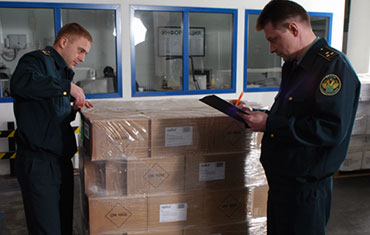
With tariffs and import compliance rules constantly changing across global borders, AI-powered regulatory engines allow freight forwarders to audit Tariff Schedules (HTS), export control classification numbers (ECCN), and environmental certifications (such as U.S. EPA engine guidelines) weeks before the vessel arrives. This proactive approach prevents costly demurrage and port detention penalties at major customs hubs.

5. Strategic Enterprise Advantages: Why Global Buyers Partner with LA 24-7 Forwarder
When shipping critical power generation machinery, selecting an inexperienced freight broker can lead to catastrophic project failure. LA 24-7 Forwarder combines deep industry experience, local port dominance in Southern California, and global network coverage to deliver unrivaled enterprise value:
1. Premier Gateway Location: Port of Los Angeles & LAX Proximity
Headquartered in Los Angeles, California, our operations are positioned directly adjacent to the Port of Los Angeles and Port of Long Beach—the primary Pacific gateway for industrial trade between Asia, the Americas, and Europe—as well as Los Angeles International Airport (LAX). Our strategic location allows us to offer direct port-side heavy staging, immediate drayage access, and hands-on supervision at vessel berth or air cargo ramps.
2. Licensed In-House U.S. Customs Brokerage
Navigating U.S. Customs and Border Protection (CBP), the U.S. Environmental Protection Agency (EPA), and international trade regulations requires expert authority. Our licensed customs brokers handle all Importer Security Filings (ISF), tariff classifications, duty mitigation strategies, and regulatory clearances in-house—ensuring your power equipment clears customs seamlessly without costly port delays.
3. 24/7 Operational Availability & Dedicated Incident Command
Energy infrastructure projects run on around-the-clock schedules. True to our name, LA 24-7 Forwarder maintains 24-hour operational dispatch and dedicated account management. Procurement teams and jobsite managers have direct access to experienced logistics coordinators who monitor cargo status in real time and resolve unexpected weather or port delays instantly.
4. Specialized Breakbulk & Heavy-Lift Project Engineering Team
Our dedicated project cargo division specializes in Out-Of-Gauge (OOG) and breakbulk shipping. We handle route survey execution, bridge weight stress analyses, crane chartering, lashing certification, and multi-state superload permitting across the United States and international destinations.
5. Fully Transparent & All-Inclusive Freight Cost Structure
Surprise surcharges can destroy a project’s financial model. We provide upfront, transparent, and comprehensive freight cost structures—including terminal handling, heavy-lift crane charges, port drayage, permit fees, and escort costs—giving procurement officers complete budget certainty.